10 Things to Do When Your Car Breaks Down in East London or Essex
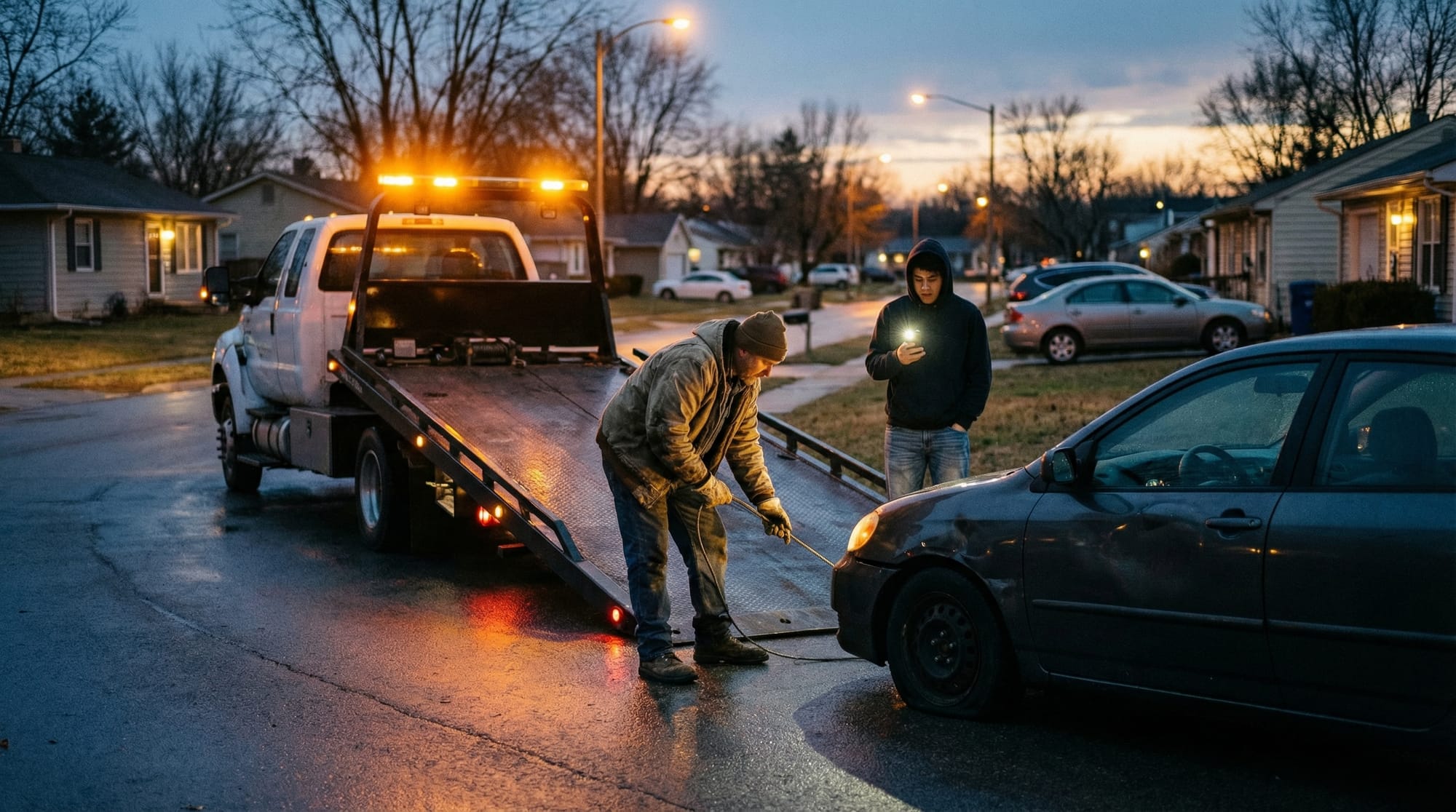
10 Things to Do When Your Car Breaks Down in East London or Essex
A breakdown is stressful anywhere, but East London and Essex can add extra pressure. Busy routes like the A12, A13, A406 North Circular, M11, and the M25 move fast and leave little room for error. Add tunnels, flyovers, tight residential streets, red routes, and parking restrictions, and the safest choice is not always the most obvious one.
The steps below are designed for real world situations, from a sudden loss of power on a dual carriageway to a flat tyre outside a dealership or a no start at an auction site. They also reflect what recovery operators in the area see every day. If you need professional help, REV Recovery & Towing, also known as Rev Towing & Recovery, provides vehicle recovery across East London and Essex, including breakdown recovery, dealership collections, and transport from auctions or private sales.
- 1. Put safety first, stay calm, and assess the immediate risk. Before you do anything else, take a breath and quickly assess whether you are in immediate danger. If your engine loses power, your steering feels heavy, or warning lights appear, your first goal is to keep control and avoid sudden inputs. Switch on your hazard lights as soon as you realise you have a problem. If you are in a live lane with fast moving traffic, treat it as high risk and prioritise getting out of that lane safely. If you have had a collision, there is smoke, fuel smell, fire risk, or someone is injured, call 999 immediately. In lower risk situations, like a rough idle in a quiet street, you may have more time to choose a safe stopping spot and gather information before making calls.
- 2. Move to the safest possible stopping location, without creating a new hazard. Where you stop matters. If the vehicle still moves, aim for a place that protects you from traffic and gives a recovery truck space to work. On motorways and high speed roads, the safest option is usually the hard shoulder or an emergency refuge area if present, then stop as far left as possible with wheels turned left. On busy A roads around East London and Essex, a slip road, lay by, service road, or a wider side street is often safer than staying on the main carriageway. In London, avoid stopping in a bus lane or on a red route if you can, but do not put yourself at risk just to avoid a restriction. In tunnels such as Blackwall Tunnel or Rotherhithe Tunnel, follow tunnel signage and use emergency phones or instructions where available. If you cannot move the vehicle, keep your hazards on and go straight to the next steps about visibility and occupant safety.
- 3. Make the car visible, and improve how visible you are to other drivers. Visibility buys time and reduces the chance of a secondary collision. Keep hazard lights on. If it is dark or visibility is poor due to rain or spray, use sidelights as well if they work. If you carry a high visibility vest, put it on before you exit the vehicle. Only place a warning triangle if it is safe and legal to do so. In the UK, triangles should not be used on motorways, and they can be dangerous on fast roads. On slower roads, a triangle placed well behind the vehicle can help, but only if you can place it without stepping into live traffic. If your car is partly blocking a lane, do not stand behind it while you decide what to do. Move to a safer position first, then make your calls.
- 4. Get passengers to a safe place, and treat vulnerable occupants as a priority. On high speed roads, your safest place is usually outside the vehicle, away from traffic, ideally behind a barrier. Exit on the left side if possible, so you are not stepping into moving traffic. Keep children close and supervised, and do not let anyone stand near the edge of the carriageway. If you have a pet, keep it restrained, and do not risk going back into traffic to retrieve items. In some scenarios, such as being stopped on a narrow residential road with little traffic, staying inside with seatbelts on may be safer until help arrives. Use judgment, but remember that being struck while standing near a broken down vehicle is a major risk on fast roads. If you feel unsafe at any point, call 999 and explain that you are broken down in a dangerous position.
- 5. Pinpoint your exact location, direction of travel, and the safest access point for recovery. Recovery is much faster when your location is precise. In East London and Essex, being vague can delay help because there are many similar junction names and parallel service roads. Capture the road name and number, the nearest junction, and your direction of travel, for example A13 eastbound near the Beckton roundabout. Look for landmark signage, bridge names, petrol stations, retail parks, or numbered lamp posts. Use your phone map pin, GPS coordinates, or an app like What3words to provide an exact spot, especially on industrial estates, long slip roads, or rural edges of Essex. If you are on the M25, note the junction number and whether you are clockwise or anticlockwise. If you are on the A406, note nearby interchanges. This information also helps the operator choose the right truck approach and avoid unsafe U turns or blocked access.
- 6. Call the right kind of help, and communicate clearly so the correct truck is dispatched. If you have breakdown cover, contact them and give the details you gathered. If you do not, or you need faster local assistance, call a reputable local recovery provider covering East London and Essex. When you call, explain what happened, where you are, and what vehicle you have. Include the make, model, whether it is automatic, front wheel drive or rear wheel drive if you know it, and whether the steering is locked. Mention if the vehicle is an electric vehicle or hybrid, because some require specific loading methods. Describe any visible issues, like a flat tyre, leaking fluid, overheating, or a non start. Also mention if you are in a tight car park, multi storey, underground bay, or a location with height restrictions, since that affects which recovery vehicle can access you. If you are in immediate danger, blocked in a live lane, or there is a serious hazard, call 999 first.
- 7. Choose the safest recovery method, and ask the right questions about towing and cost. Not every breakdown should be handled the same way. A flatbed is often the safest choice for many modern vehicles, including all wheel drive, electric vehicles, and cars with transmission issues, because it avoids rolling the drivetrain and reduces damage risk. A wheel lift or dolly system can work well in many scenarios, but it depends on the vehicle condition and the access at your location. Ask the operator what method they recommend and why. Confirm the destination, the estimated arrival time, and whether there are additional charges for difficult access, out of hours callouts, storage, or long waiting time in restricted areas. If you are stranded near a busy junction or red route, time matters, so confirm how quickly they can attend and whether they can legally and safely stop where you are. A reputable provider will be transparent about pricing, explain any risks, and advise you if a different solution is safer.
- 8. Protect your car, your valuables, and your evidence for insurance or disputes. Breakdowns and minor accidents often lead to later questions about damage, warning lights, mileage, and personal property. Take clear photos of your car from all sides, the dashboard warnings, and the surrounding area, but only if it is safe to do so. Remove valuables, keys for roof boxes, and any sensitive documents. If you are being recovered to a garage, confirm where the keys will be handed over and get the name of the person receiving them when possible. If you are arranging a vehicle collection from an auction, dealership, eBay, or Gumtree purchase, verify the vehicle identity and condition at pickup, including existing dents and wheel damage, so there is a clear record. Lock the car when you are not next to it, and do not leave phones or bags on visible seats.
- 9. Handle the practical admin, report what needs reporting, and keep a paper trail. Some breakdown situations require follow up beyond the tow. If your vehicle has leaked fuel or oil onto the road, or if there is debris, report it to the relevant road authority or police if necessary, because it can be dangerous to others. If the breakdown was caused by an accident involving another party, gather names, number plates, insurer details, and photos, and report to your insurer as required by your policy. Keep receipts for recovery, taxis, temporary parking, and accommodation if needed. If you are driving for work, notify your employer or fleet manager, because they may have a preferred garage or recovery process. In London, be aware that stopping in certain zones can trigger enforcement, so if you receive a penalty, your records and recovery invoice can help show that it was a genuine breakdown and that you acted promptly to resolve it.
- 10. Plan what happens after recovery, and reduce the chance of another breakdown. The tow is only one part of getting back to normal. Decide where you want the vehicle taken, such as your home, a trusted local garage, a main dealer, or a specialist. If it is a simple issue like a dead battery, a mobile jump start or battery replacement may be faster than a full recovery, but only if the vehicle is in a safe location and the underlying issue is understood. If you are collecting or delivering vehicles in East London and Essex for business, such as dealership transfers or auction vehicles, plan the handover so the vehicle is not left unsecured, and confirm opening hours and access rules at the destination. Once you are safe, take a moment to review what caused the breakdown. Check tyre condition, keep fluids topped up, and consider a basic kit, including a charged power bank, high visibility vest, torch, and a printed list of key phone numbers. Preventive habits reduce future disruption and reduce recovery costs.
Quick checklist you can screenshot for later
- Safety: hazards on, control the car, stop in the safest place you can.
- People: get passengers safe, especially children, elderly, and pets.
- Location: road name, junction, direction, nearest landmark, map pin.
- Call: breakdown provider or trusted local recovery, 999 if danger.
- Confirm: recovery method, destination, ETA, and total cost.
Breakdowns in East London or Essex are rarely convenient, but the right steps reduce risk and speed up recovery. If you need assistance with breakdown recovery, vehicle transport from auctions, or collections from dealerships and private sellers, REV Recovery & Towing can help you arrange a safe, efficient pickup and delivery based on your exact location and vehicle type.